Helping Anxious Children Feel Safe in Their Bodies
A gentle, practical guide for parents and teachers
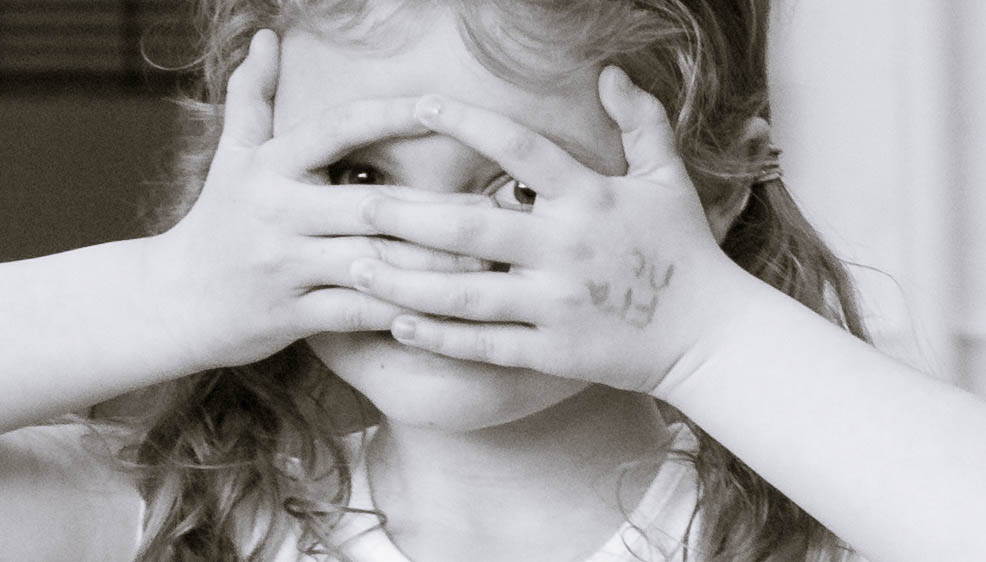
Anxiety in children doesn’t begin in the mind –they notice it first in the body. Before a child can explain what they are feeling, before they can find the language to explain their feelings, their nervous system is already responding. Their shoulders tighten, their tummy clenches, their breath becomes shallow, and their whole system shifts into ‘protection mode’.
When we understand that anxiety is a body-based experience first and a thinking experience second, we can begin to support children in a way that truly helps them feel safe in their bodies rather than simply asking them to “calm down”.
Because calm isn’t something we demand.
Safety is something we build.
Why Anxious Children Don’t Feel Safe in Their Bodies
A child who is anxious is not being dramatic, difficult, or overly sensitive. Their nervous system is working exactly as it was designed to work – scanning for danger, preparing for threat, and keeping them safe.
The trouble is that modern childhood comes with constant stimulation, busy schedules, social pressures, and emotional overload, which means their nervous systems rarely get the chance to fully settle. Over time, the body begins to live in a low-level state of alert – constant cortisol.
This can show up as:
- Tummy aches with no clear cause
- Restlessness or difficulty sleeping
- Emotional outbursts that seem to come from nowhere
- Clinginess or avoidance
- Perfectionism or fear of getting things wrong
When we focus only on behaviour, we miss the deeper message. An anxious child is often simply saying: “I don’t feel safe inside myself.”
And that’s where yoga and mindfulness become powerful tools.
The Nervous System: The Missing Piece in Children’s Anxiety
To help anxious children feel safe in their bodies, we need to support their nervous systems first.
The body has two main states that matter here:
- A regulated state, where a child feels grounded, connected, and able to think clearly.
- A survival state, where the body is braced for danger and the mind becomes busy, reactive, or overwhelmed.
You cannot talk or reason with a child when they are in survival mode. Stressed and overstimulated.
But you can guide their body back to safety.
This is why breath, movement, rhythm, and mindful awareness work so wonderfully. They work directly with the nervous system, gently allowing the child to feel safe in the moment.
Gentle Body-Based Tools That Build Safety
Rather than asking children to sit still and “be calm”, we invite them back into their bodies in ways that feel playful, empowering, and accessible.
1. Slow, Anchored Breathing
Anxious breathing is usually high and fast in the chest, which reinforces the stress responses in the body. But when we guide children to slow, deep belly breathing, we activate the parasympathetic nervous system – the body’s natural calming response.
Try placing a soft toy on the tummy and watching it rise and fall like waves. The visual and tactile feedback helps children reconnect with their breath without pressure.
Over time, this simple practice builds a powerful message inside the body:
I can slow myself down.
2. Grounding Through the Feet
Bringing awareness down into the feet helps children feel rooted and stable.
Invite them to stand like a mountain, pressing their feet firmly into the floor, imagining roots growing down into the earth. Ask them to notice the strength in their legs and the steadiness in their body.
This kind of embodied awareness builds internal safety because it shifts attention away from racing thoughts and back into physical presence.
3. Cross-Lateral Movement for Regulation
Movements that cross the midline of the body, such as slow marching, tapping opposite hand to knee, or gentle crawling patterns, help integrate the brain and calm emotional overload.
These movements are especially helpful for children who feel overwhelmed, dysregulated, or prone to big emotional swings.
They don’t need complicated sequences. They need rhythm, repetition, and reassurance. Put on some music and have some fun.
4. Safe Space Visualisations
Once the body is settled, mindfulness can deepen the feeling of safety.
Guiding children to imagine a safe place – perhaps a cosy den, a sunny beach, or a magical garden – helps create internal comfort. When visualised with slow breathing, this becomes a powerful tool they can return to again and again.
The key is not to force stillness but to invite gentle curiosity.
Why “Calm Down” Doesn’t Work (And What Does)
Telling an anxious child to calm down often increases stress because it suggests they are doing something wrong. Anxiety is not misbehaviour. It is a nervous system asking for support.
What works instead is co-regulation, so when an adult breathes slowly, speaks softly, and models steadiness, a child’s nervous system begins to mirror that regulation.
Safety is contagious. So is calm.
Yoga and mindfulness practices give adults practical ways to offer this steady presence rather than reacting to the behaviour itself. So look after yourself too and do your own Yoga practice – to join me on a Tuesday evening online – just click here
Building Long-Term Body Confidence
Helping anxious children feel safe in their bodies is not about eliminating anxiety completely. It is about teaching them that sensations can move, emotions can shift, and they have tools to support themselves.
When done with consistency over time, children begin to trust their own capacity to regulate. They learn that a racing heart does not mean danger. That butterflies in the tummy can settle. That big feelings do not last forever.
This is body confidence.
And it is one of the greatest gifts we can offer.
A Gentle Place to Start
If you are a parent, teacher, or practitioner wanting simple, effective tools that support emotional regulation and nervous system safety, my Yoga & Mindfulness for Children Bundle is designed exactly for this.
Inside the bundle you’ll find:
- A practical guide to supporting emotional regulation
- A month of mindful moments to build daily habits
- A guided meditation to help children settle and feel safe
- A video and pose sheet to make it easy to begin
These are simple, accessible practices that can be woven into home, classroom, or studio life without overwhelm.
Because when children feel safe in their bodies, everything else becomes easier – learning, friendships, confidence, and emotional resilience.
And it begins with one breath.
I am an Actress, Kundalini Teacher, Children’s Yoga Teacher and Mentor. I actively take Yoga into Schools to through the Mindfulness for Children Course I ensure our next generation know how to self regulate and live in peace.
As the founder of The Full Life Principle, and The Radiant Woman, I empower women everywhere to live a beautiful peaceful life based on their uniqueness and spiritual growth.
My passion is ensuring that you are able to practice your self-care and enjoy your spiritual journey. My You Tube Channel provides free guidance and classes.

